
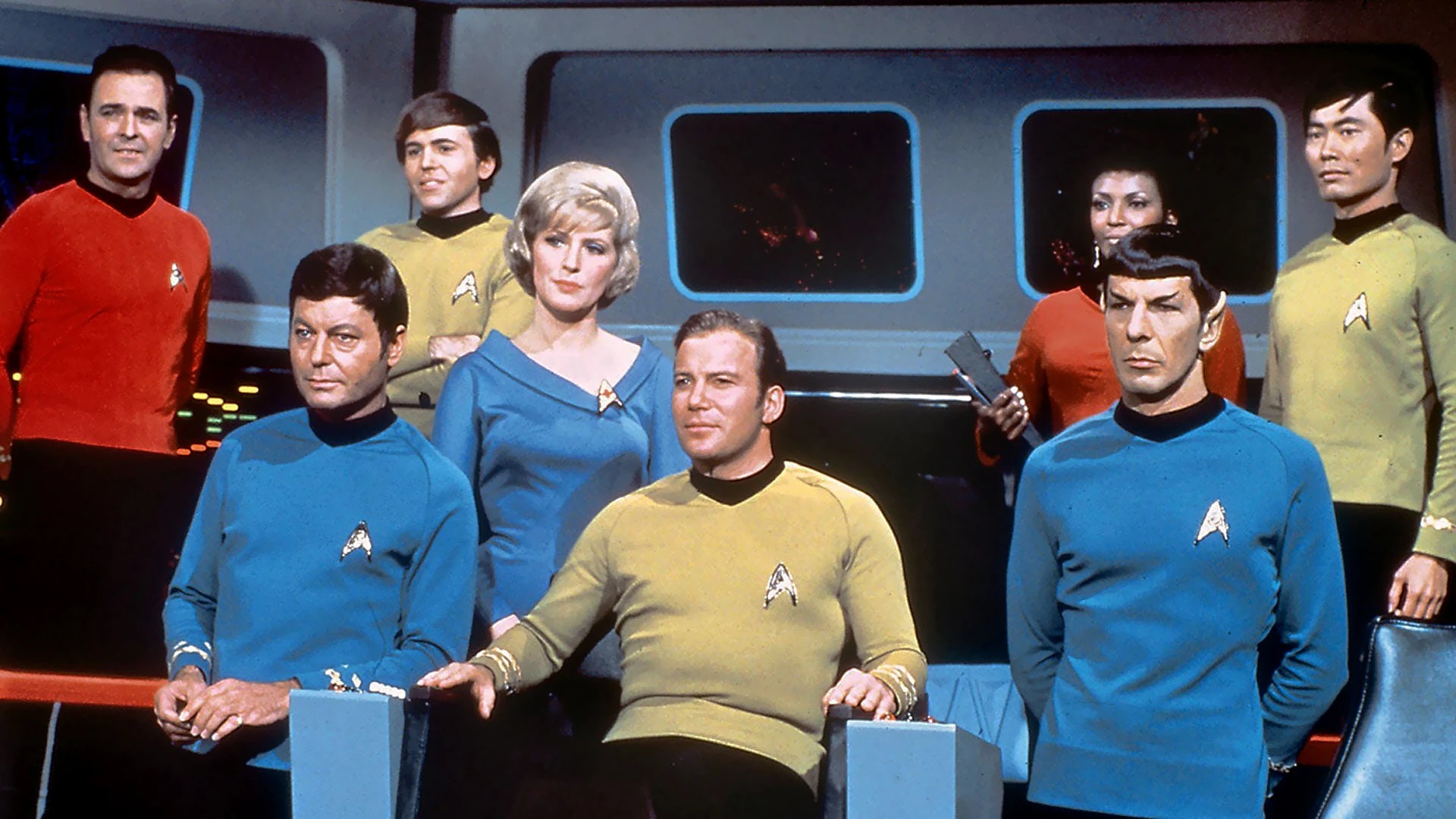
The original Star Trek explored numerous social, geopolitical and civil rights issues of the day, but storyline always paramount.
In my late teens I became a major night owl and would often stay up until the early hours of the morning before sleeping until 10 or 11am. This was long before the days of streaming services, so I consumed a lot of late-night television – among which was the original 1960s series of Star Trek.
By then the show was already 30 years old and the age of digital special effects well underway. Yet goofy sets, overwrought acting, casual sexism and ham-fisted jokes couldn’t diminish what thrummed beneath – exceptional dramatic writing with thought-provoking subtexts. The original Star Trek explored numerous social, geopolitical and civil rights issues of the day, but storyline always paramount. It made its points without trumpeting them in the viewer’s face. It had a black woman, a Russian and a Japanese man in positions of authority and didn’t apologise for it. But, more importantly, it didn’t try to justify them or make the viewer agree they should be there. They just were.
This is something modern writers, especially in movies and television, appear to have forgotten. As Mark Samenfink described it on X recently: “Star Trek was a show that asked questions of principle, not questions of politics, and it left it to the viewer to decide in most cases what they thought was right. It was not a fucking agitprop lecture wearing a space skinsuit like NuTrek is.”
Now, the counter-argument is that “Star Trek has always been woke”, and superficially that appears true, but the claim doesn’t stand up to much scrutiny.
While Star Trek always had a liberal outlook, Next Generation, Deep Space Nine, Voyager and Enterprise did not, by and large, sell their creative souls for a plot of message. During the ascendency of extreme left-wing politics between 2014 and 2020, however, something changed. Filmmakers’ personal worldviews began to rise to the surface. Take Star Trek: Discovery. The storylines remained sound, the pacing and drama excellent, but it was obvious the characters were chosen to satisfy DEI tick-a-box requirements and, as the series went on, the show did indeed become an “agitprop lecture” first and entertainment second. That is poor writing, plain and simple. It’s the scriptwriters allowing politics and ego to dictate art.
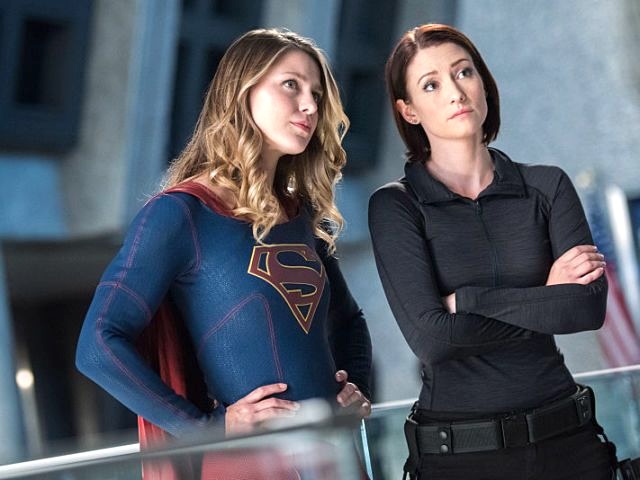
In fairness, Star Trek is hardly the sole perpetrator. Supergirl, starring Melissa Benoist, went from a well-crafted tale about feminine power and seeking one’s identity in season one to kicking off season two with a cringe-inducing gender politics sermon. Disney’s The Acolyte was an intersectional diatribe that just happened to be set in the Star Wars universe. The Boys did an excellent job satirising Trump-era politics until the writers succumbed to hubris and started producing dull-witted polemic instead. Stephen King’s latter-day novels have been infested with thinly disguised rants about COVID and Donald Trump, and this from a man who once proclaimed he preferred his fiction “without billboards”. (Those with conservative politics seem less prone to sullying their work with political opinions, but when they do offend the results are equally appalling – witness Dan Simmons’ novel Flashback).
None of this is to discourage writers from including minority characters or a message. But if an author is going to draw attention to politics or characteristics such as race or sexual orientation, it had better be done with finesse and dramatic purpose in mind. Writers, both established and up-and-coming, would do well to remember the key part of the word ‘subtext’ is ‘sub’. Themes, messages and satire should be buried in the soil of storyline and beguiling prose (or cinematography), there to be found if the reader cares to excavate them, not jutting out like sanctimonious monoliths. The best kind creeps up on the reader or viewer, invisible until the last minute. My favourite example is Richard Matheson’s novella I Am Legend, where the notion of right and wrong is turned on its head in the final pages.
What we’re talking about, fundamentally, is contrivance versus verisimilitude. There’s a gay character in my upcoming novel, Demon Drink. Truman is gay because that’s how he popped into my head, along with his prodigious artistic talent and personal demons. (And yes, I’m a straight man writing about a gay character. Don’t get me started on the divisive and anti-creative concept of ‘cultural appropriation’.) He would prove to be arguably the most interesting and complex character in a book heavily populated with them, and that was purely organic. At no point did I stroke my beard and nod self-importantly as I added a gay character to my cast, nor did I intentionally imbue Truman with admirable traits to try to redress some perceived social inequality. That’s not an author’s job, despite what the modern literary establishment seems to believe. I created a three-dimensional character and put him in compelling horror situation I hoped would entertain readers and – if they were interested – provide a variety of perspectives on addiction, isolation and loneliness.
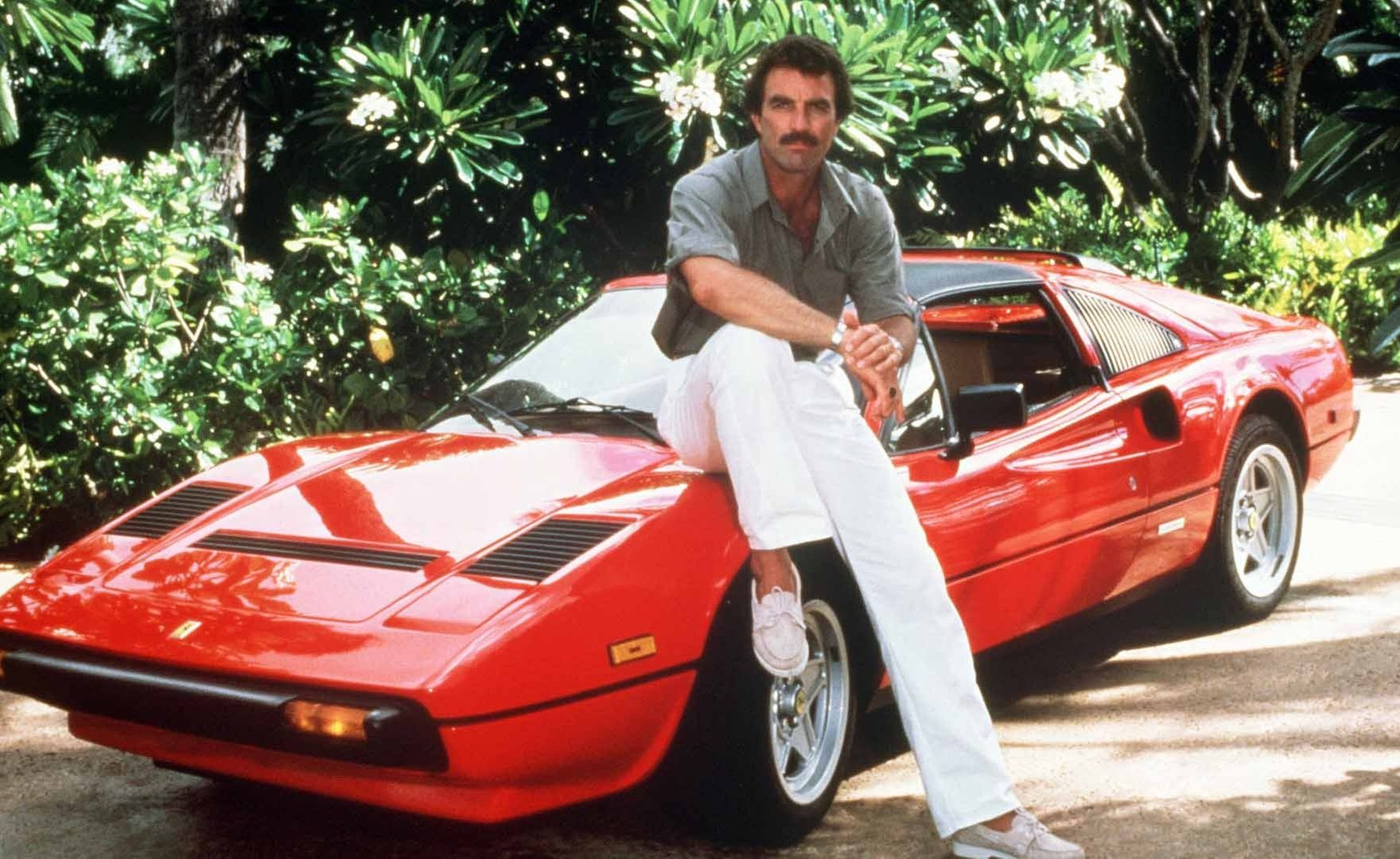
Let me conclude this brief essay with a quote from You Never Know, actor Tom Selleck’s recently published memoir. He’s talking about Don Belisario’s script for the pilot of Magnum P.I., and in a single paragraph it juxtaposes everything that’s wrong with the later Star Trek series and so much modern writing in general:
“Don’s story didn’t hammer a message. It never veered from its obligation to entertain. But the bond those characters shared was there, beneath the surface, for those who chose to look for it.”




Leave a comment