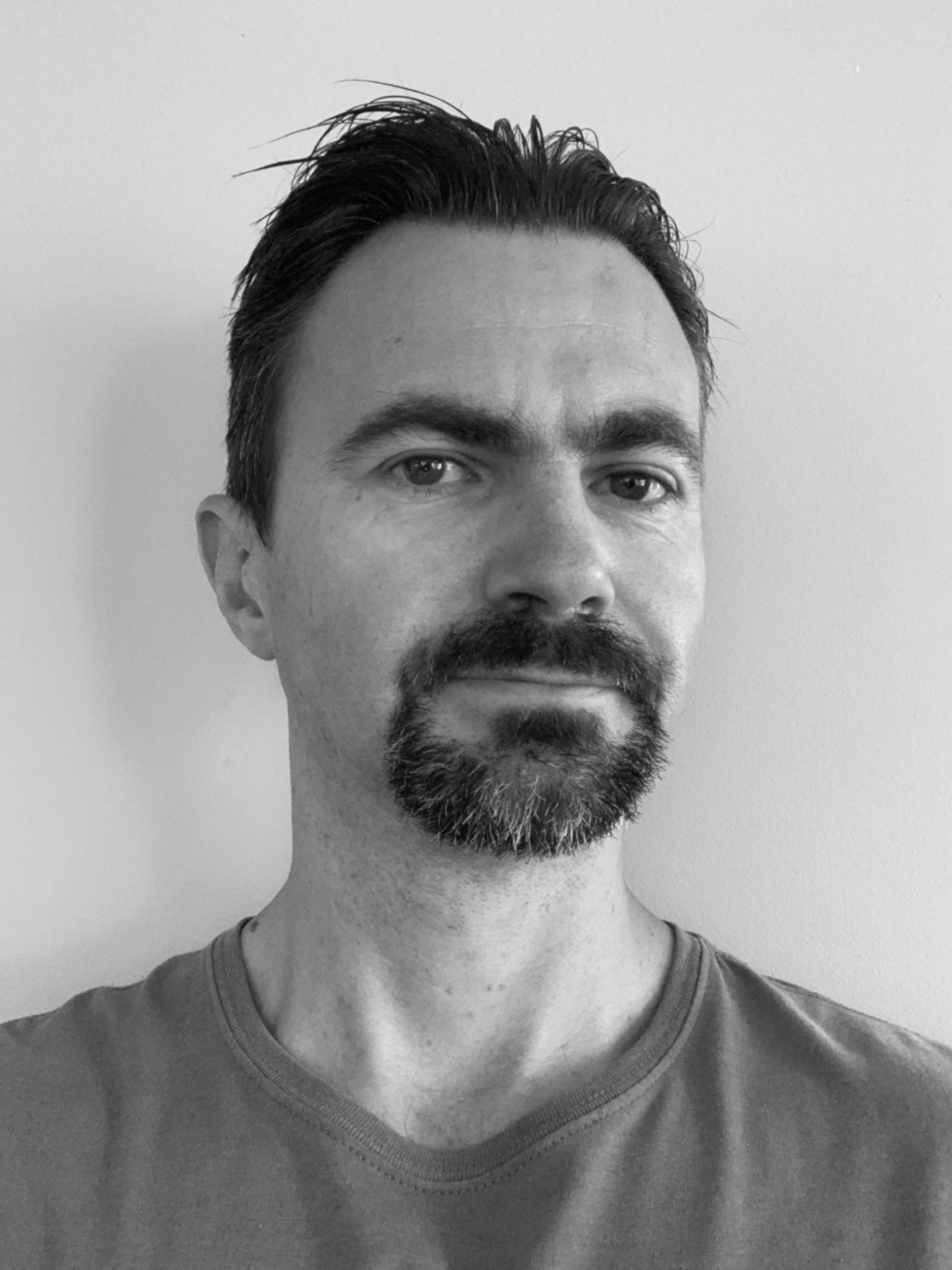
Life’s pleasantest times don’t always involve big occasions or events. Back in February 2020, I was underway on a new horror novel and decided to take a day’s leave from my regular job so I could work on the manuscript uninterrupted. It promised to be a hot day, so at around ten o’clock I took my iPad to the local sports club, bought a coffee, and sat in the air conditioning to do the pretentious author thing – write in public.
Seated in a booth, coffee at hand, I got underway. If it wasn’t the single most enjoyable writing experience of my life, it easily rates in the top three. During the next few hours I churned out 3000 words (and added another 1000 or so that evening, a personal best). I can still remember the scene I was writing, which involved a small-town priest running afoul of the law for drink driving. The words just poured out of me. I don’t think a chapter has ever unfolded in my imagination with such clarity.
A few weeks later, I was no longer permitted to leave my house except for essential travel and exercise.
Like a good many writers, when COVID lockdown was first announced I shrugged my shoulders. By nature writers are solitary creatures who spend large chunks of time inside. I’m also a film and TV buff, so I suddenly had extra hours in my day to catch up on the shows and movies I’d never got around to. I burned through the final 50,000 words of my novel in a couple of months. COVID lockdown brought definite inconveniences – I really missed the gym – but on the whole it struck me as a net positive.
As “flatten the curve” became a month and then the pandemic stretched into its first year, however, my mood changed. Australia, on the whole, got off pretty lightly when it came to lockdowns and restrictions, but COVID still took a psychological toll.
Reflecting back on the past two years, I see it was the uncertainty as much as the isolation that made life a chore. Bunkering down and not seeing friends and family would have been more tolerable with a clear finish line, but of course each new variant pushed the finish line out of reach again and threw work plans into disorder. My psyche had always run on a pretty even keel, but I didn’t realise how much I owed that evenness to vigorous gym sessions and the prospect of what tomorrow would bring.
It was especially bad during the winter months. I’m a summer person and tend to get down in the mouth during the colder months anyway, so the August 2021 lockdown in Sydney was probably my bleakest point. It didn’t help, either, that my wife and I were stuck at home with two kids, one of school age. Concentrating on anything for more than 15 or 20 minutes without interruption was close to impossible. I understood why some people felt the need to take to the streets and protest.
This creeping despair manifested most keenly in my lack of creative spirit. I had no drive to write fiction at all. It was as though the powerline feeding the creative centre of my brain had been cut. I wondered whether my fiction-writing career was over – a dismal and depressing thought.
My grandfather lived to be 98. Right up until his final few years, his mantra was, “You’ve gotta keep busy.” Most men of his generation downed tools on their 65th birthday and put their hands out for a pension; he worked until he was 66 and only retired then because his lousy eyesight made it difficult to do the necessary driving and bookwork. In his seventies he learned how to operate a personal computer and used it to write articles for the Colostomy Association journal he edited. He kept gardening all the way into his nineties. When his eyesight and hearing failed, however, he ended up becoming a hermit. A proud man to the end, he refused to go into an assisted living facility, so he almost never left the house. During my bouts of COVID-lockdown self-pity, it was that period in Grandpa’s life I thought about. The most optimistic and vital man I ever knew spent his last five years in lockdown. By the end, he must have wished for death.
Routine, structure, exercise, mental exertion, positive social interactions – these are the things that keep people sane and happy. Playing it safe in the early months of the pandemic made sense, but no one in authority paid more than occasional lip service to the devastating mental effects of lockdowns and restrictions as they dragged on.
Once Sydney’s second major lockdown was lifted in September 2021 and there were murmurings from my state’s new premier that we might move towards “living with COVID”, my mental state improved. Warmer days helped, too. In November, the non-fiction editor at Aurealis, Terry Wood, got in touch to ask if I might like to contribute an essay. The thought was daunting – it had been so long since I’d written anything unrelated to my day job – but fearfulness is often a bad reason to decline. So I proposed not one, but two.
Commencing research on the first essay (which will appear later this year) acted like jumper cables on my brain’s dead creative battery. I also started work on a new short story. Once that and the second essay are complete, I hope to pick up the thread of a novel I abandoned at the 20,000-word mark when lockdown sucked my will to write. In addition to the Aurealis essays, I have a couple of short stories awaiting publication and the novel I mentioned at the start of this post is under serious consideration with a small traditional publisher. I also found a healthy way to use Twitter (it’s harder than you’d think) and, yes, I’m updating this blog for the first time in months.
The point is, I think, that idleness doesn’t achieve anything. Yes, everyone needs downtime, an opportunity to decompress, recover, socialise, have fun, do nothing. But downtime should only constitute a pause in your wider timeline. If COVID taught me anything, it’s that having too much spare time is as bad or worse than being too busy. Responsibilities, deadlines, routine and structure are important, because they force you to do things you might not otherwise do. They make you work, work leads to achievement, achievement leads to happiness.
You’ve gotta keep busy. Words to live by.


 Kris Ashton
Leave a comment