
I deleted my Twitter account this week.
I’d been threatening to do it for years, but with publishers so adamant an author should have a ‘platform’ these days, I could never find the courage. Since joining Twitter in 2012, on a colleague’s recommendation, I’d managed to attain 300 followers – minuscule in the context of the Twittersphere (most celebrities have millions), but they were honest follows. I never participated in ‘writer lifts’ or any other method of artificially inflating my follower count. Those on the list followed me because they wanted to.
Trouble was, I couldn’t use Twitter responsibly, no matter how hard I tried.
I’ve been a political junkie all my adult life. I use that term advisedly. Back in my late teens, I got a big high from arguing politics both in person and online. But as legacy media became more narrative-driven and social media dragged political discourse into the sewer, I came to believe such discussions were futile at best. I stopped watching political TV programs in my early twenties because they were all one-sided and infuriating. I exercised my political hankerings on Facebook for many years until realising that doing so makes you look like a drunk uncle ranting at the dinner table – it’s sort of embarrassing, and no one’s listening anyway.
By 2018, I’d all but kicked the political habit. Except on Twitter, that is.
I employed various methods to try to ensure I used it responsibly. I deleted the app off my phone so I couldn’t browse my Twitter feed while waiting in line or whatever. I stopped following dozens of politically-charged accounts to reduce my temptation to comment. I endeavoured to keep my posts only about writing-related topics. I’d go okay for a while, sometimes weeks or even months at a time, and then I’d get bored in an online meeting, log onto Twitter via my laptop… and lapse.
If you’re not much into social media, understand that Twitter is the black tar heroin of political forums. It’s incredibly addictive and outrageously toxic for one’s psyche. If you happen to be of a conservative bent (and in 2021 ‘conservative’ has become almost interchangeable with ‘realist’), it’s also incredibly dangerous. Particularly for an author. The publishing industry picked up the woke agenda with a religious fervour and the greater share of journals and anthologies now either have a progressive theme or exclude on the basis of race and gender in their submission guidelines. Imagine, then, an editor in this environment trawling through an author’s Twitter account and finding a post questioning the wisdom of allowing transgender men to compete in women’s sport or suggesting the recent rewriting of indigenous history doesn’t always jibe with archaeological evidence. It’s a one-way trip to Blacklist City.
In the end, two separate incidents convinced me to put down the dirty needle that was Twitter.
First, I returned from a self-imposed two-week break from Twitter to find that an indie horror publisher, whom I respected greatly, was begging for forgiveness. The Twitter mob had taken exception to a tweet he made (pointing out the infantile and narcissistic folly of adding trigger warnings to horror novels) and piled on. Something about that poor bastard’s situation garrotted me in a way nothing had before – I realised tolerance of non-woke opinions, especially among the publishing community on Twitter, had reached near-zero.
Second, I got embroiled in an argument about IQ tests. It’s a subject I know a great deal about because my wife is a child psychologist. A Twitter troll continued to contradict everything I said, even in the face of irrefutable proof. Ultimately I muted him and wondered to myself for about the fiftieth time, “Why the hell am I even on Twitter?”
In the past, I had always circled back to the claim that publishers wanted potential clients to have a platform. But this time I saw the parallels between using Twitter and my short dalliance with designer drugs in the late 1990s. Both were enticing and sort of fun in the moment, but afterward led only to regret and self-loathing.
I’ve noticed over the years that song lyrics seem to rise up in my conscious when they are most pertinent, and in this case it was three lines from ‘Remedy’ by Seether that I appreciated anew:
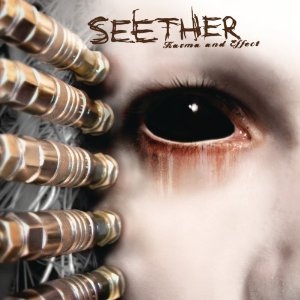
Clip the wings that get you high
Just leave them where they lie
And tell yourself, “You’ll be the death of me.”
The wing metaphor seemed especially apt given Twitter’s logo. Later that night I requested my Twitter archive, in case I needed it for reference or legal reasons, and the following day – after one final moment’s hesitation – I parted ways with Twitter for good.
The situation also puts me in mind of something Stephen King wrote about drug addiction. He was terrified that if he gave up coke and booze he would lose his ability to write. After some deliberation, he decided he would give up writing if it meant he could save his marriage and watch his kids grow up. But of course that was a lot of horseshit, and he went on to write dozens more books.
Same goes here. If giving up my dream to become a full-time author is the price I have to pay for avoiding the Twitter cesspit, so be it. But I’m pretty sure that’s horseshit, too.

 Kris Ashton
Leave a comment